
- Indigenous leaders representing more than 511 peoples from the Amazon Basin met in Brasília to discuss the solutions they are implementing in their territories to address the global climate crisis, Indigenous authors of this commentary say.
- They affirm seven commitments, which they say can help change the course of the climate crisis.
- “The Amazon is close to the point of no return,” they write in this opinion piece. “Avoiding this is a shared and urgent responsibility. Strong and respectful alliances with Indigenous peoples are the best strategy for protecting life.”
- This commentary is part of the Voices from the Land series, a compilation of Indigenous-led opinion pieces. The views expressed are those of the authors, not necessarily Mongabay.
This series, Voices from the Land, brings together opinion pieces led and written by Indigenous peoples from around the world. Through these commentaries, we share our lived realities and reflections on urgent issues shaping our time — environmental destruction, our relationship with nature, and systemic injustice. We write from the heart of our communities, where the impacts of these urgent crises are deeply felt, but also where solutions are rooted. Through this series, we speak from our territories, and ensure our truths are part of the global conversation.
We carry with us the memory of our grandfathers and grandmothers and the vision of our Indigenous governments. We say “governments” because that is what we are. For thousands of years, we have administered, used, and managed our territories, recognizing the interrelationships between all beings and life cycles, guided by the mandates of our traditional authorities.
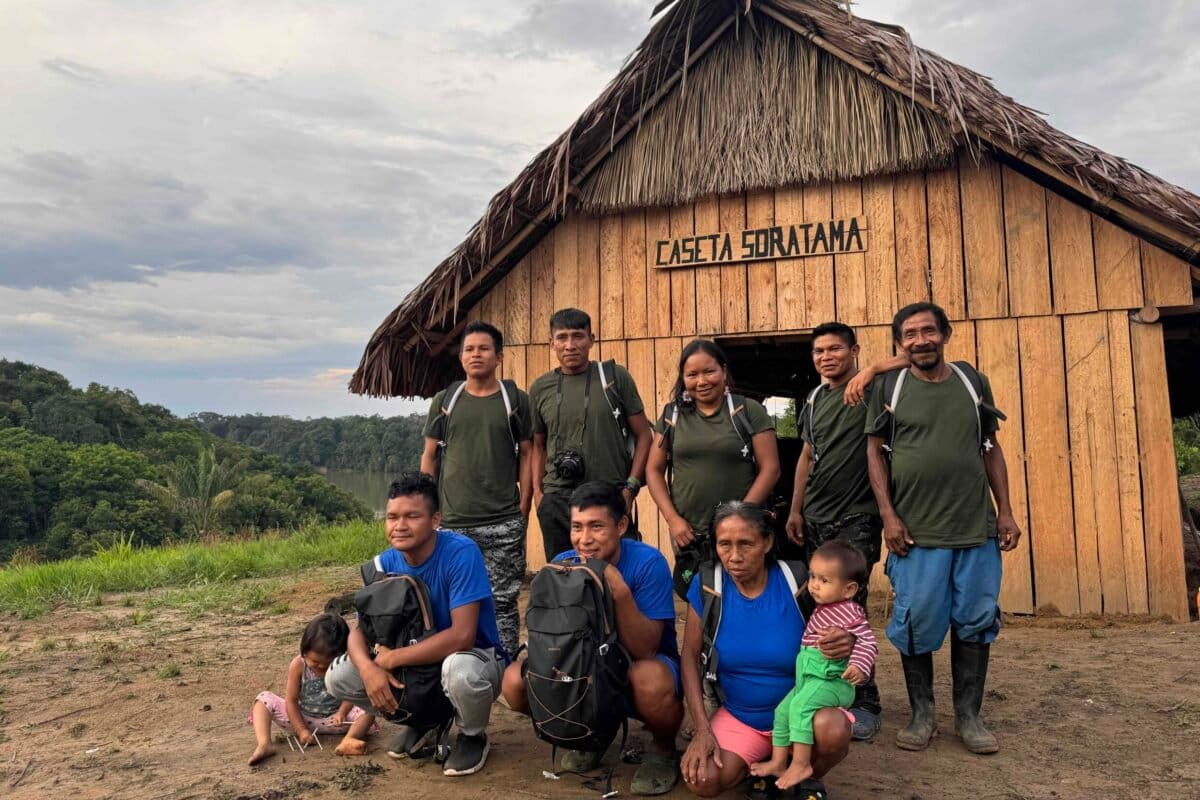
As one of us, Patricia Suárez, Indigenous member of the Murui people, highlights: “Our grandparents taught us to listen, to give abundantly, to speak with words full of life and a sweet heart. We understand the territory because we are part of it. The river speaks to us and the jungle listens to us. But the [national] governments do not listen to us.”
To reaffirm our stance on the world stage, Indigenous organizations from the Amazon Basin — representing more than 511 peoples — met in Brasília on June 2 with a clear purpose: to discuss the solutions we are implementing in our territories to address the global climate crisis.
We presented these proposals during the first round of U.N. negotiations for this upcoming climate conference (the intersessional climate negotiations, or 62nd meeting of the subsidiary bodies) and will also take them with determination to the U.N. climate conference in Brazil, known as COP30.
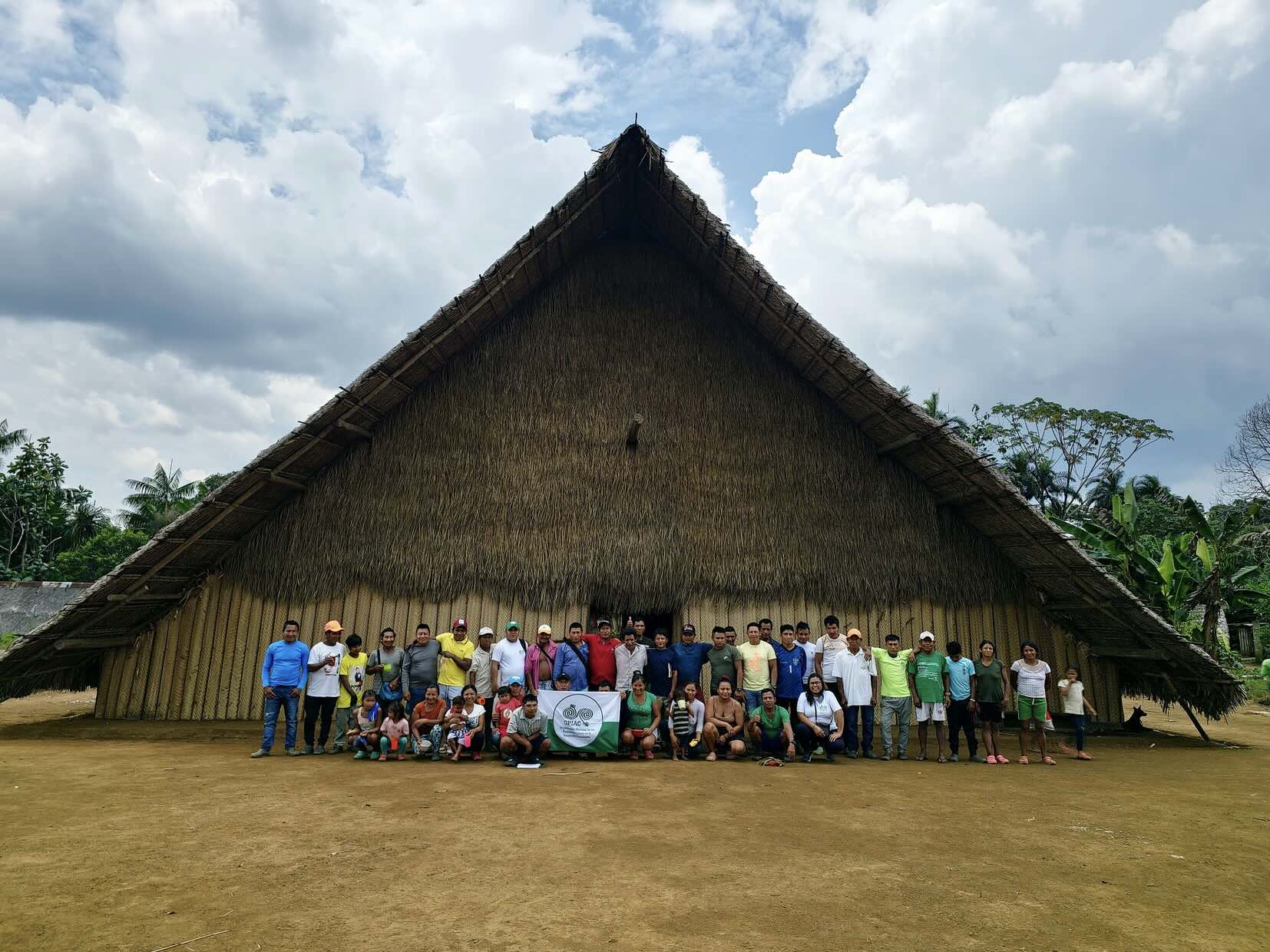
This Amazon Indigenous “Pre-COP” was not a symbolic or isolated initiative. It was a political decision taken by all our organizations: from Guyana to Bolivia, from Colombia to Brazil.
We reaffirm seven commitments that can change the course of this climate crisis:
- Protection and legal security of Indigenous territories as a highly efficient climate action:
Our territories are not virgin forests: They are cared-for forests. In Colombia, more than 27 million hectares (66.7 million acres) of land titled as Indigenous reserves are among the best-preserved ecosystems in the country. The same is true of the Amazonian Indigenous territories in the other eight countries of the basin. We are asking that states guarantee the protection and legal security of Indigenous territories as an effective climate policy, including demarcation, titling, and protection mechanisms.
The destruction of the Amazon will continue as long as policies and activities that disregard the region’s realities are promoted. The governments of the nine Amazonian countries must understand that we, the Indigenous peoples, are the ones who can guide how to restore what has been destroyed, because we have cared for it since the beginning. It is not research institutes, protected area officials, civil society organizations or corporate interests. Our seeds come from the memory of our grandmothers and beyond, words of life that take root.
It is not a question of restoring for the sake of restoring, without knowledge, without understanding, without memory. It is not a question of imposing punishments or devising policing strategies. It is a question of guaranteeing legal security and comprehensive protection for Indigenous territories. Only in this way will it be possible to halt the advance of other structures — legal or illegal — that exercise control over the Amazon without understanding it.
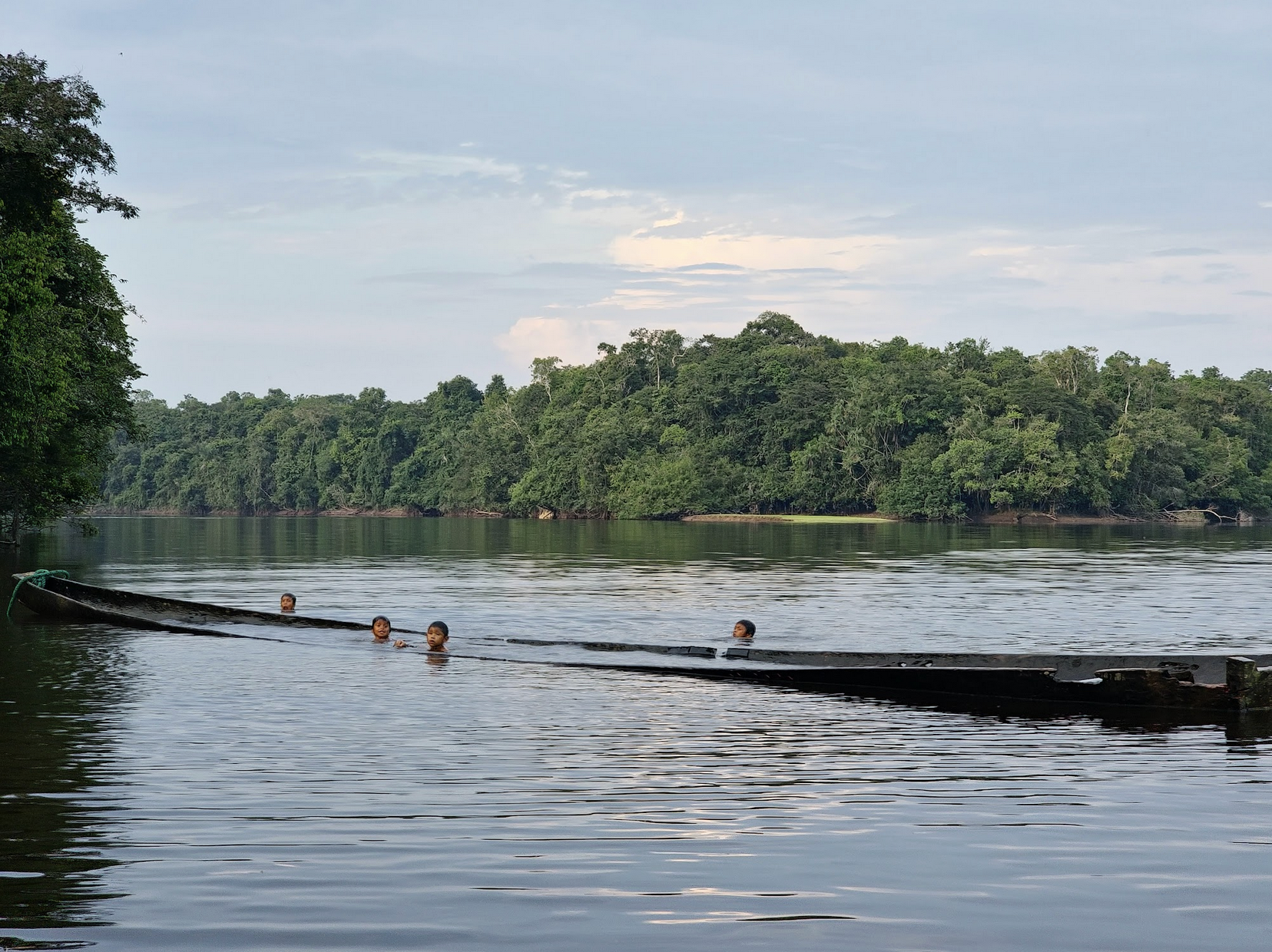
It is urgent to especially protect the territories of our Indigenous brothers and sisters in their natural state, or as international law calls it, in “voluntary isolation.” These peoples decided not to come into contact with Western society. They are the ones closest to the forest. They live in dialogue with it. They keep it alive. But today they are cornered by deforestation, land grabbing, and the arrogance of religious groups. They are being forced into contact. And with that come threats: disease, pollution, pressure from armed groups and the physical and cultural disappearance of many Indigenous peoples.
- Direct access to climate finance:
Climate funds must go directly to those of us who have proven that we care for life. Climate finance is being diluted in workshops led by “experts” who have never lived in the Amazon, who do not know the cycles of our ecological calendar, our seasons of diet, healing, and advice. People who try to teach us — from a projector, a hotel room, a training session — how to conserve what they call “natural resources.”
We demand that our solutions be financed, built upon our systems of government, and, above all, aligned with our territorial priorities. The Indigenous peoples of the Amazon have already created our own financial instruments. In Colombia, it is the INDII Fund. In Brazil, it is the Podáali.
We face barriers: closed bureaucracies, unnecessary intermediaries, and exclusion from the spaces where resources are decided. That is why we demand direct access to financing. Direct. Without intermediaries. With autonomy. Because it is our priorities that have proven to be real solutions for caring for life in a comprehensive and lasting way.
- Full and effective participation and representation from Indigenous government systems:
We are not guests in this process. We are authorities with internationally recognized rights: to self-determination, to decide on our territories, to govern ourselves according to our own ways. We are Amazonian Indigenous governments, with our own structures for planning, monitoring, use, and management of the territory. And if the Paris Agreement recognizes all levels of government, why are we still treated as “nongovernmental organizations”?
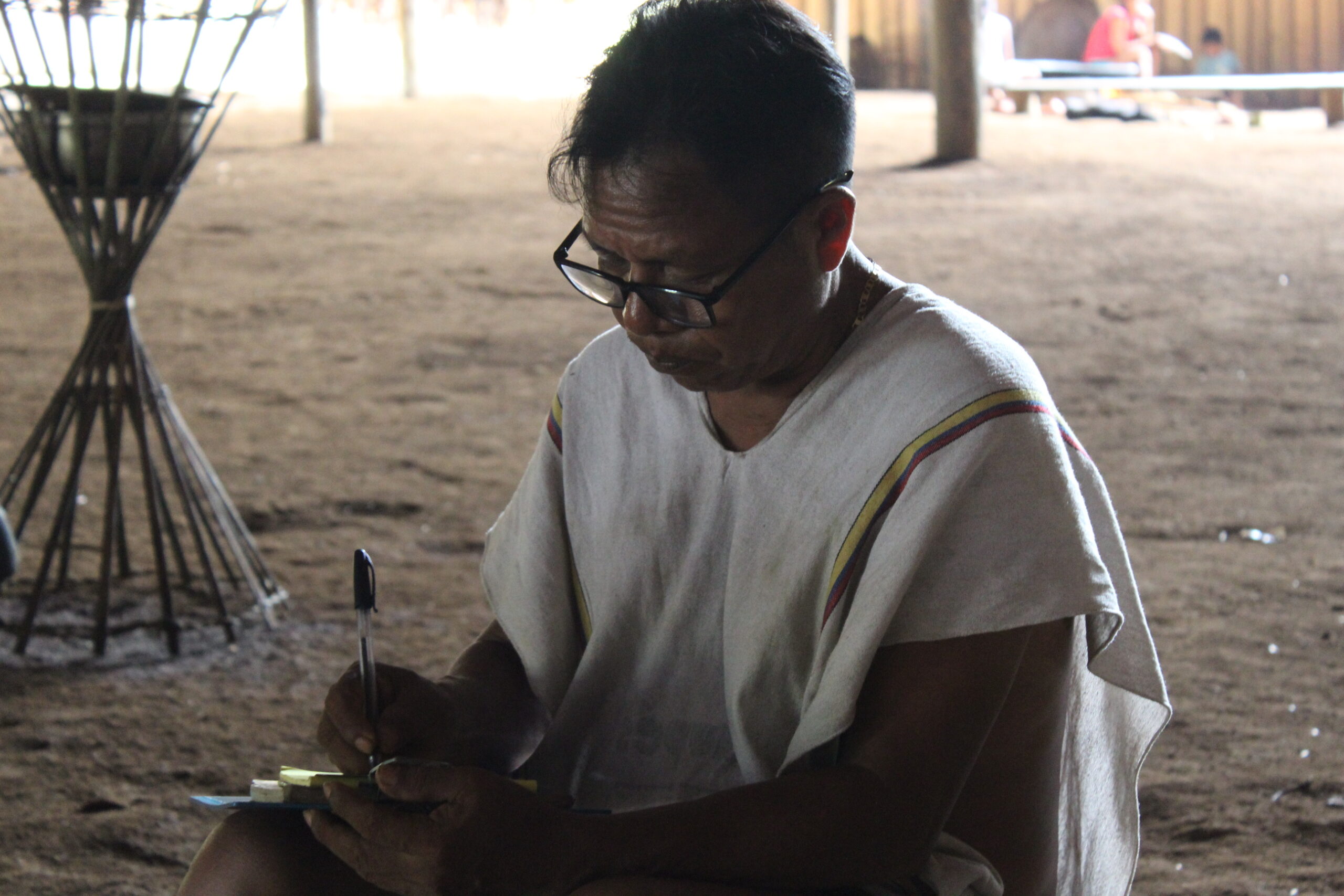
At the Indigenous Pre-COP 30, we reaffirmed that participation is not about occupying a seat at the end of the room; it is about being present and engaged. It is decision-making power. It has direct Indigenous representation in government delegations. It is being part of the construction of global positions during U.N. climate negotiations, from our organizations and with our own voice. Not by invitation from third parties. Because without our contributions, any decision on climate is incomplete.
- Indigenous knowledge systems as a pillar of climate action:
Our knowledge is specialized systems of the territory, built over thousands of years. We do not observe the territory from outside: we are part of it, together with the other beings that inhabit it: animals, plants, waters, winds.
Our knowledge systems have their own methodologies. Observation. Medicine. Land management. Conservation. Spirituality. Self-government. Their roots do not come from yesterday or a hundred years ago. They were handed down to us from the beginning to care for life.
The official knowledge that guides global climate action remains locked away in offices. It divides what cannot be divided. Scientific knowledge segments —biodiversity, climate, forest, water — and even separates humans from nature. But in Indigenous territories, everything is interconnected. Caring for life cannot be divided.
We demand that Indigenous knowledge systems also guide global climate action. That our languages, our ways of teaching, our ways of naming the world be protected. Caring for the climate also means caring for our world of full life.
As Elder Aniceto of the Tanimuca people teaches: “In our language, we sing the songs with which we communicate with the territory. It is these songs that sustain the government. Language is one of our fundamental tools of authority.”
- A just energy transition in the Amazon:
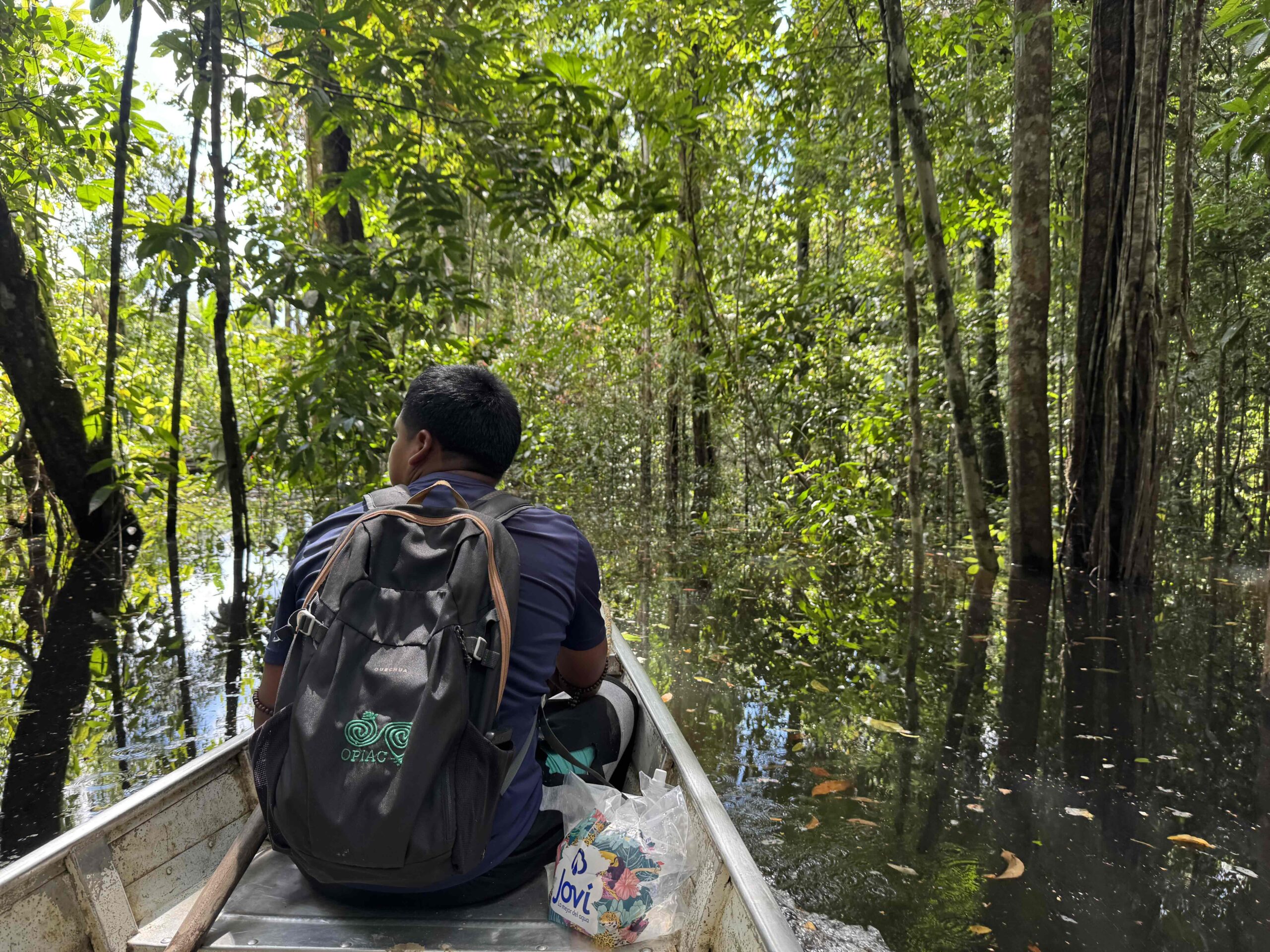
A transition is not fair if it bypasses Indigenous peoples. It is not fair if “green” minerals are extracted from our territories in violation of our right to free, prior, and informed consent. If the energy transition does not defend life, it will not be a transition.
At the Amazon Indigenous Pre-COP, we said it clearly: the energy transition cannot come at the expense of our territories. It must exclude mining for transition minerals, oil extraction, and monocultures for biofuels from Indigenous lands in the Amazon. The transition must be built with us, not against us. And it must be based on rights, not business.
- Protection of land defenders:
While climate speeches are being written in New York or Bonn, those who protect the Amazon are being buried in our territories. Defenders are being murdered. Women are being threatened. Children are being poisoned by mercury. Defending life cannot continue to be a death sentence.
That is why we demand the creation of human rights observatories, Indigenous protection protocols, and specific indicators in the instruments of climate and biodiversity agreements, as well as in the Amazon Cooperation Treaty Organization (ACTO).
The defense of life begins with protecting those who are already risking it.
There can be no fight against the triple planetary crisis — biodiversity loss, desertification, and climate change — without protecting those who sustain the balance with their bodies and their territories.
- Amazonian Indigenous NDCs as a political proposal:
Nationally Determined Contributions (NDCs), National Mitigation Plans, and National Adaptation Plans are the commitments that each country presents to the United Nations to reduce emissions, adapt to climate change, and protect their ecosystems.
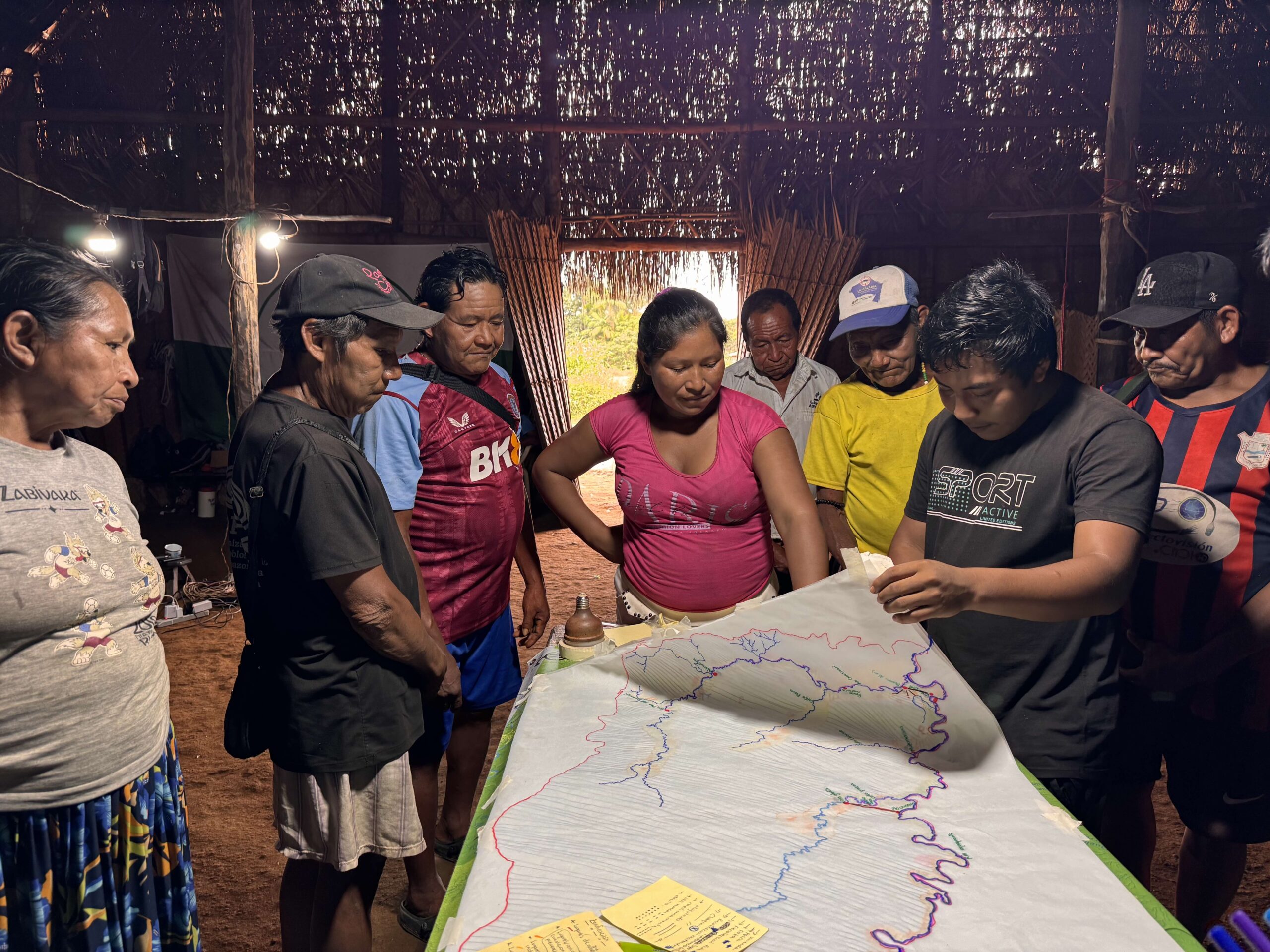
We, the Indigenous peoples of the Amazon, propose that Indigenous contributions be fully incorporated into national climate change policies, including the NDCs of the countries of the Basin, with budgets, indicators, monitoring and shared responsibility.
In our territories, we already care for water, biodiversity, and climate balance. We are already restoring, protecting, and resisting. We are contributing without these actions being recognized, supported, or financed. That is why it is necessary to discuss an Amazonian Indigenous NDC as a political and territorial proposal that makes our climate actions more visible.
A time for decisions: COP30 on climate change
This is how we arrive at COP30: with the mandate of our traditional authorities, our grandfathers and grandmothers, our ancestors who governed thousands of years before the states. We present concrete proposals and the legitimacy of those who represent more than 511 Indigenous peoples and 188 peoples recorded in isolation, to preserve life in the Amazon.
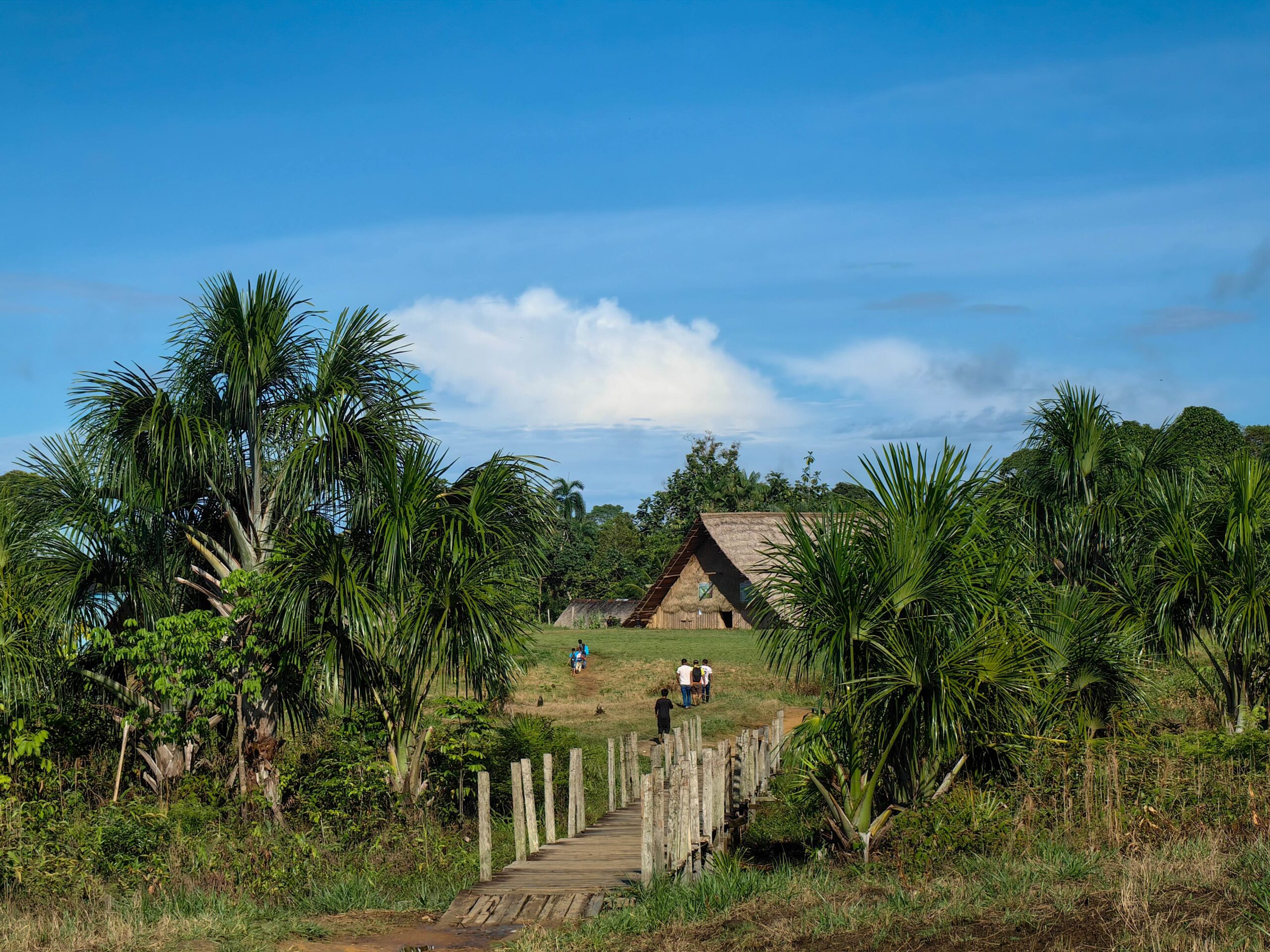
It is essential that people support the recognition of territorial rights as a key component of climate action, promote direct access to climate finance without intermediaries, so that resources reach those who care for the Amazon, and facilitate dialogue with governments and decision-makers to ensure that the proposals of Amazonian Indigenous peoples are reflected in global positions.
The Amazon is nearing a point of no return. Avoiding this is a shared and urgent responsibility. Strong and respectful alliances with Indigenous peoples are the best strategy for protecting life.
Banner image: Indigenous organizations from the Amazon Basin — representing more than 511 peoples — met in Brasília on June 2 to discuss solutions they are implementing in their territories to address the global climate crisis. Image courtesy of Alexis Mendoza/OPIAC.
Oswaldo Muca Castizo is the general coordinator of the National Organization of Indigenous Peoples of the Colombian Amazon, OPIAC. Patricia Suárez is the secretary of the National Commission for the Protection and Prevention of Indigenous Peoples in Isolation (or Natural State). Oriana Cortés Muñoz is the adviser to the General Coordination of OPIAC. Emil Sirén Gualinga is the international advocacy and finance adviser to Quipa, a grassroots NGO.
The series is produced by the collective Passu Creativa, with the support of Earth Alliance, and published by Mongabay.
Europe’s competition over Indigenous Sámi resources: Voices from the land (commentary)
